
Some life lessons from the Christmas kings
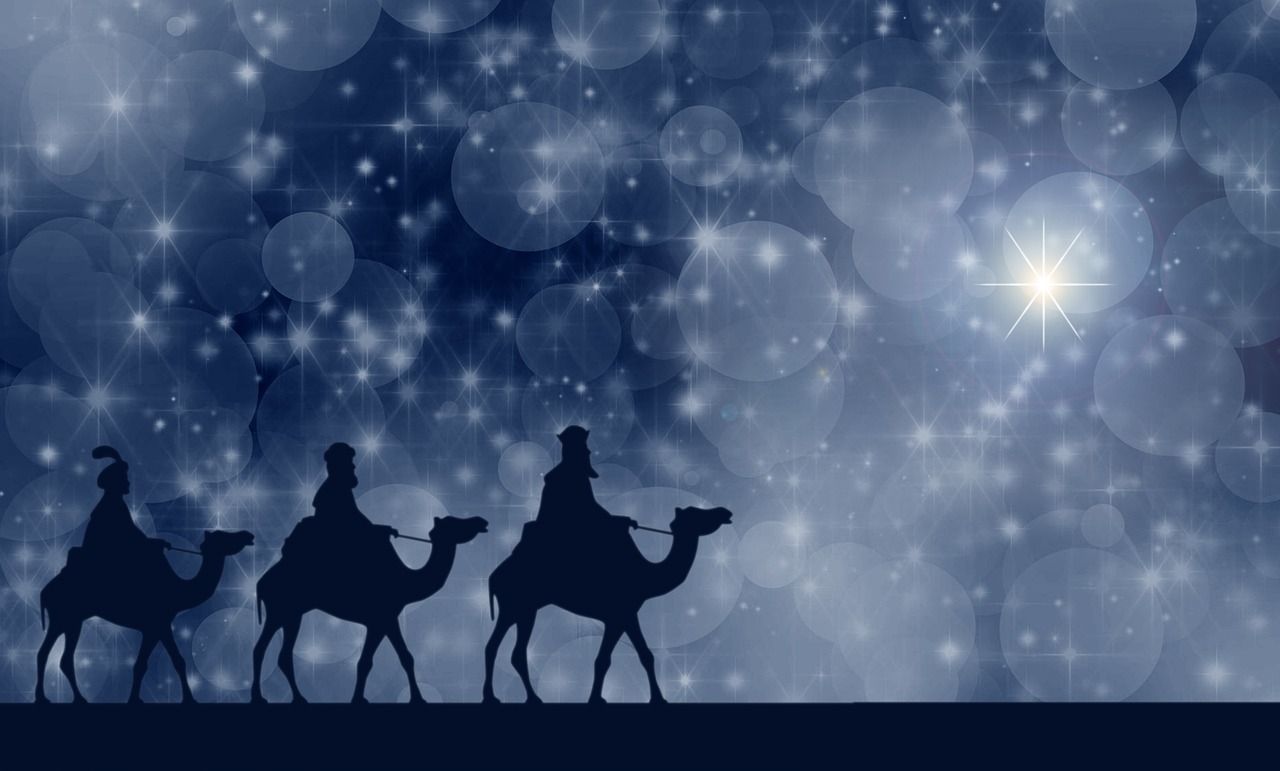
We three kings of Orient are, bearing gifts we traverse afar. Field and fountain, moor and mountain, following yonder star. It's one of the most familiar Christmas carols, written by John Henry Hopkins Jr. in the nineteenth century. Most of us have sung the melody dozens of times without ever really thinking about the people the song describes. The Magi. The wise men from the east. The strange, quiet figures at the edge of the nativity story who travelled an immense distance to find a child they had no obvious connection to. Their story, when you slow down and look at it properly, contains more practical wisdom than most modern self-help books.
It's worth setting aside the carol for a moment and reading the actual passage that started it all, from Matthew chapter 2.
The story is short. After Jesus was born in Bethlehem during the reign of King Herod, Magi from the east arrived in Jerusalem asking "Where is the one who has been born king of the Jews?" They had seen a new star and travelled an enormous distance to find what it pointed to. Herod, disturbed by the news, summoned them secretly and asked them to report back once they'd found the child, claiming he too wanted to worship him.
The Magi found Jesus, presented him with gifts of gold, frankincense, and myrrh, and worshipped him. Then, warned in a dream not to return to Herod, they went home by a different route. The whole episode takes barely a dozen verses to tell, but the layers of wisdom inside it run surprisingly deep.
A note on who they actually were
We tend to call them the three kings, partly because of the carol. The text doesn't actually call them kings, and doesn't say there were three. It calls them Magi, an ancient Persian word meaning wise man or priest, the kind of person who specialised in astronomy, dreams, and sacred writings. The Magi were probably scholars and astrologers from somewhere in the Persian East, modern-day Iran or thereabouts. The "three kings" tradition came later, probably because there were three named gifts.
So strip away the carol, and what you have is a small group of foreign academics, far from home, who'd spent enough time studying the heavens to recognise something important when it appeared, and who had the resolve to act on it.
That's the figure the rest of the story is really about.
Seven things worth borrowing from the Magi
There's a great deal in this short passage. Seven principles in particular have stayed with me, each of them worth holding in mind whatever season of life you're in.
1. Follow your guiding star. The Magi followed a star. Literally, they oriented their entire journey by something larger than themselves. Most of us, if we're honest, are not orienting by anything in particular. We drift. The Magi remind us that meaningful lives are organised around something we can actually fix our gaze on. A purpose. A calling. A set of values we won't compromise. What's your guiding star, and have you been steering by it lately?
2. Seek wisdom from multiple sources. The Magi didn't rely solely on their own astronomy. They combined it with prophetic scripture, with the counsel of local rulers and priests, and with whatever practical guidance they could gather along the way. Wise people don't lock themselves inside one source of knowledge. They integrate widely. The richest insights almost always come from where two or three different fields meet.
3. Bring your best gifts. Gold, frankincense, and myrrh weren't random. Each was significant. Gold for kingship, frankincense for worship, myrrh for mortality. The Magi gave thoughtfully, not just generously. Most of us have unique gifts we haven't really brought yet, talents, perspectives, experiences, that the world around us would benefit from. What's the gift only you can bring, and where in your life is it currently going unopened?
4. Be prepared for detours. When warned about Herod, the Magi went home by a different route. The path they'd planned wasn't the path they ended up taking. The willingness to change course, when wisdom or circumstance demands it, is one of the most underrated virtues. Most of us cling to plans long after the situation has changed. The Magi remind us that flexibility, used wisely, is itself a kind of strength.
5. Listen for the guidance you nearly miss. The dream warning the Magi about Herod is easy to skim past in the text. They paid attention to it. They acted on it. Sometimes our intuition, our conscience, or what believers would call divine guidance, speaks quietly. The question is whether we're tuned in enough to hear it, and brave enough to act on what we hear, even when it changes our plans.
6. Practise discernment. Herod sounded perfectly reasonable when he asked the Magi to report back. He sounded helpful. He sounded sincere. He was lying. The Magi saw through him, probably because they were paying attention to more than just his words. In a world full of polished communication and confident-sounding voices, the ability to discern what's actually true is one of the most important skills any of us can develop. It's also one of the most quietly cultivated.
7. Journey with purpose. The Magi travelled hundreds, possibly thousands, of miles to find a child they had only seen in the stars. They committed time, resources, and effort to a journey whose value wasn't immediately obvious to anyone watching. The thing they were pursuing was worth the cost. Most meaningful goals are like that. They demand a real investment. The question is which journey is genuinely worth that investment for you, and whether you've actually started.
Wisdom and humility together
What I find most striking about the Magi, the more I turn the story over in my mind, is how their wisdom and their humility worked together. They were learned. They were sophisticated. They were powerful enough, and resourced enough, to undertake a long international journey on the strength of a hunch from a star.
And yet, having travelled all that way, they bowed before a child. Quietly. Reverently. Without making the moment about themselves. Then they listened to a dream, changed their plans, and went home a different way.
That combination of intellect and humility is rarer than it should be. We tend to find wise people who are arrogant, or humble people who don't know much. The figures who embody both, the people who pair real knowledge with real teachability, are the ones who tend to leave the biggest mark on the world around them.
A different way home
The Magi went home by a different route. It's a small detail, almost a throwaway line, but it captures something profound. People who genuinely encounter what matters most don't go back the same way they came. They're changed. The route home is different because they're different.
That's the deepest invitation in this passage. Not just to seek, not just to give, not just to discern. But to be genuinely changed by what we find when we go looking, and to let that change show up in how we live afterwards.
The carol describes the journey out. The deeper part of the story is the journey home.
So as another Christmas season comes round, what is the star you've been quietly trying to follow, what is the gift only you could bring, and how are you a different person on the way home from where you've been than you were on the way out?
This article was first published on Ian's blog.
Read the original on ianmayer.com