
Don't say yes to things you don't want to do
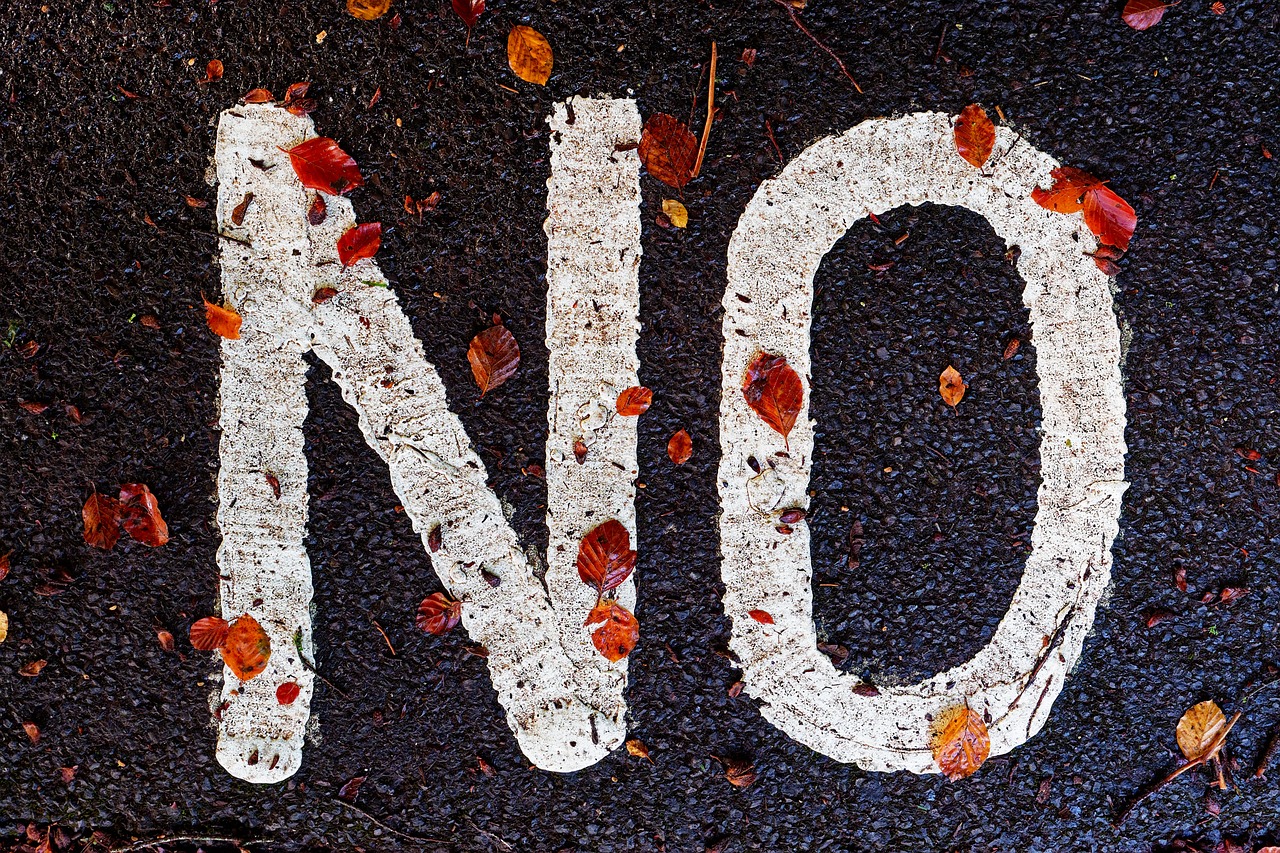
There's a quiet habit most of us picked up somewhere along the way. We say yes to things we don't really want to do. We agree to meetings we'd rather skip. We accept invitations out of obligation. We take on responsibilities because saying no felt awkward in the moment. And then we wonder, weeks later, why our calendars are full of things that aren't really ours and we have no time left for anything that matters.
Saying no is one of the most undervalued skills in adult life. Not because we don't know we should, but because we've conflated saying no with being selfish, rude, or unkind. None of those things are true.
Saying no is one of the most respectful things you can do. Respectful to the person asking, because you're being honest rather than agreeing and then resenting it. Respectful to yourself, because your time and energy are finite and worth protecting. Respectful to the things you've already committed to, because every yes is a quiet no to something else.
Be kind to yourself. That includes guarding your most valuable, non-renewable asset, your time.
Why no creates space for yes
Saying no isn't really about avoidance. It's about creating room. Room for the work that matters. Room for the people who matter. Room for the creative thinking that almost never survives a packed week.
I deliberately allocate around 20% of my working time to creativity, exploration, and new ideas. That doesn't happen by accident. It happens because I've blocked the time, and because I've learned to say no to the things that would otherwise quietly eat into it.
If your week is full and you can't see where the breathing room is, the answer almost certainly isn't to work harder. It's to start saying no.
Six things that help you say no well
- Be honest and direct. You don't need a long explanation. A short, clear no is usually better than a wordy excuse. People generally respect the clarity, even when they're disappointed.
- Offer an alternative if it fits. If there's a different time, a different way you could help, or someone better suited to the request, say so. But don't feel obligated to. Sometimes no is the whole answer.
- Practise. Saying no is a skill, and like any skill, it gets easier with use. Try it in low-stakes situations first. Build the muscle.
- Know your priorities. It's much easier to say no when you've already decided what you're saying yes to. Without clear priorities, every request looks equally legitimate.
- Stay respectful. Firmness and kindness aren't opposites. You can decline something while still treating the other person well.
- Know your limits. Recognise when you're close to overload, and don't push past it. Burnout serves no one.
Saying no isn't a denial of generosity. It's the precondition for it. The people who give most freely over the long run are the ones who've learned to protect themselves enough to keep being able to give.
What you can do with the space you reclaim
Once you've started saying no, the question becomes what to do with the time you've freed up. For me, a lot of it goes into deliberate creative thinking, into becoming what I'd describe as an ideas machine.
Generating good ideas isn't a mystical talent. It's a habit. The people who consistently come up with useful, original thinking aren't smarter than the rest of us. They've just built routines that make creativity routine.
Here are ten habits that, used consistently, will turn almost anyone into a more prolific generator of ideas.
- 1. Daily idea practice. Write down ten ideas a day. James Altucher has been advocating this for years and the discipline genuinely works. The ideas don't need to be brilliant. The point is exercising the muscle.
- 2. Read widely and diversely. Books, articles, papers, across multiple fields. Cross-pollination is where most original ideas actually come from. People who only read in their own discipline run dry.
- 3. Capture everything. A notebook, a notes app, voice memos, whatever fits your life. Ideas arrive when they want to. Catch them when they do, or you'll lose them.
- 4. Mind mapping. Visually working through a topic forces connections you wouldn't see in linear notes. Start with a central concept and branch outward.
- 5. Brainstorming sessions. Set deliberate time aside for it. Use techniques like free writing, or the SCAMPER method (Substitute, Combine, Adapt, Modify, Put to another use, Eliminate, Reverse) to push past the obvious answers.
- 6. Stay curious. Ask why. Ask what if. Challenge what you've been told. Curiosity is the engine of new thinking.
- 7. Collaborate. Talk to people from different backgrounds, with different experiences and different worldviews. Other people's brains catch things yours misses.
- 8. Rest properly. Creativity withers under burnout. Some of the best ideas arrive when you're not actively trying to think. Walks, sleep, time off, all of it counts.
- 9. Embrace failure. Most ideas won't work. That's normal. The goal isn't a perfect hit rate. It's a high enough volume that the good ones can surface.
- 10. Learn from prolific people. Study how people you admire actually generate ideas. Steal their habits. Adapt them to fit you.
Where to start
Trying to adopt all ten at once is a recipe for adopting none of them. Pick a few that fit your life right now and build from there. Three that work well together as a starting point:
- Daily idea practice. Ten ideas a day. Dull ones count. The point is rhythm.
- Read widely. Mix fiction, non-fiction, articles, sources outside your usual lane. Take notes as you go.
- Capture everything. Carry the notebook or use the app. Review the captured ideas weekly.
Layer in mind mapping or curiosity practices once those three feel natural. Add brainstorming or collaboration as your appetite for the practice grows.
The connection
The reason saying no and becoming an ideas machine sit in the same post is that they're two halves of the same skill. Saying no creates the time. Generating ideas fills it well.
Most of us are exhausted, overcommitted, and quietly creatively blocked, all at the same time. The fix isn't more effort. It's more deliberate use of the time and energy you already have. Less low-value yes. More high-value creative output. The combination changes everything.
So this week, what is the one thing you'll say no to in order to free up some real space, and what creative practice will you put into the gap?
This article was first published on Ian's blog.
Read the original on ianmayer.com